Fractional CIO Services

Fractional CIO services help organizations access executive technology leadership without a full-time internal appointment. With a focus on IT strategy, digital planning, vendor oversight and governance support, they support stronger technology direction and more efficient business transformation.

NortheastCIOs: Turning Everyday Tech Operations into Strategic Momentum
NortheastCIOs
Turning Everyday Tech Operations into Strategic Momentum
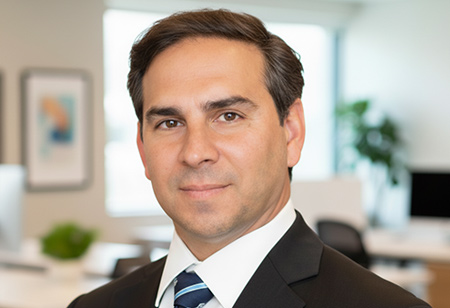
Thomas Licciardello, Practice Lead and Principal CIO
Most companies today recognize that technology is a key vehicle for creating competitive advantage. Yet even with strong internal tech teams in place, many organizations find themselves struggling to harness the full potential of available solutions and tools. The issue is not a lack of technical expertise or effort. It is the absence of a senior voice to align technology with business strategy. NortheastCIOs bridges the gap, offering flexible, executive-level IT leadership that helps businesses transform routine technology work into a competitive business advantage.

Rising Strategic Influence of Fractional CIO Services in Modern Business Leadership

Organizations across industries are entering an era defined by rapid technological disruption, evolving cybersecurity risks, data-driven competition, and increasing pressure to innovate without inflating operational costs. In this environment, many companies, especially small to mid-sized enterprises, are turning to Fractional Chief Information Officer (CIO) services to access high-level strategic IT leadership without committing to the full expense of a permanent executive.

Fractional CIO Services Driving Strategic Business Transformation

Organizations across industries are entering a new era marked by rapid technological change, evolving cybersecurity threats, intense data-driven competition, and mounting pressure to innovate without increasing operational costs. In this context, many companies, from start-ups to mid-sized enterprises, are opting for Fractional Chief Information Officer (CIO) services. This approach allows them to benefit from high-level strategic IT leadership without the financial commitment of hiring a full-time executive.

Responsible AI: The Human-Machine Symbiosis
Morgan Stanley [NYSE: MS]
Responsible AI: The Human-Machine Symbiosis
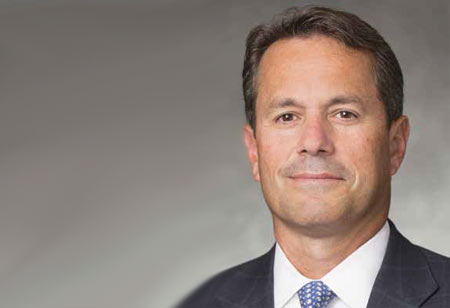
Sal Cucchiara, CIO and Head of Wealth and Investment Management Technology

Over 20 years ago, a supercomputer beat world chess champion Garry Kasparov at chess. That moment helped plant the seeds for the era of big data in which we live today, and it marked a critical cultural turning point that suggested a machine could outsmart a human after all.

Midmarket Firms Turn to Fractional CIOs to Address Leadership Gaps

Thursday, July 02, 2026

Technology decisions rarely pause while a company searches for a senior executive. Yet many businesses find themselves caught between growing technology demands and the absence of dedicated IT leadership. That gap has become one of the strongest drivers behind interest in fractional CIO services. The issue is particularly visible among organizations that have outgrown informal technology management but are not prepared to hire a full-time chief information officer. Systems become more interconnected, software spending increases, and technology decisions begin affecting broader business performance. At that stage, leadership requirements often change faster than hiring plans. Fractional CIO services have emerged as one response to this problem. Rather than committing immediately to a permanent executive appointment, companies gain access to senior technology guidance on a part-time or project basis. The arrangement allows leadership support to be introduced without restructuring the executive team. The appeal is not limited to cost considerations. Many businesses face uncertainty about what type of technology leadership they actually need. A company may be evaluating cloud migration plans, reviewing cybersecurity practices or assessing software investments. Those priorities can evolve significantly over a relatively short period. That uncertainty makes long-term hiring decisions more complicated. Recruiting a permanent executive requires clarity around responsibilities and expectations. Some organizations use fractional leadership arrangements to define those needs before creating a full-time role. The trend also reflects changes in technology management itself. Business systems are increasingly tied to revenue generation, customer interactions and internal workflows. Technology oversight is no longer confined to infrastructure discussions. Executive-level guidance may be needed even in organizations that maintain relatively small IT teams. Hiring timelines are another thing to think about. When companies look for someone to be in charge of technology, it can take time. This is because they want someone who knows about technology and business. Fractional CIO engagements can help when the company is in a transition period, and technology projects cannot be delayed. This way of doing things also gives companies flexibility when they are changing. For example, when companies merge or change owners, they may need someone to lead technology projects for a time. They may not need this person forever, so it does not make sense to hire someone full-time. More and more companies are using CIO services. This shows that companies are starting to think about how they find executive leaders. Companies are now okay with hiring someone with skills for a short time rather than making every important role a permanent job. Fractional CIO services are an example of this. The takeaway is not that full-time CIO positions are becoming less relevant. Rather, companies appear more willing to use alternative leadership structures when technology priorities outpace hiring plans. Fractional arrangements provide one way to bridge that gap while longer-term decisions remain under consideration.

Technology Spending Oversight Becomes a Central Driver for Fractional CIO Engagements

Thursday, July 02, 2026

Software contracts, infrastructure upgrades and recurring subscription costs can accumulate gradually until technology spending attracts attention from finance teams. Many organizations discover that technology budgets have expanded across departments without a clear framework for evaluating priorities. That situation is creating new demand for fractional CIO services. The concern is not necessarily excessive spending. In many cases, the challenge involves visibility. Different departments may purchase tools independently, while technology investments are approved at different points in the budgeting cycle. The result can be fragmented spending patterns that are difficult to evaluate collectively. Fractional CIO services increasingly enter the conversation when businesses want a clearer understanding of how technology expenditures align with business objectives. The role often involves reviewing existing investments, identifying overlaps and helping leadership determine where future spending should be concentrated. This shows that people are thinking about technology decisions in a way. In the past, technology budgets were mostly talked about by the people in the IT department. Now, many organizations see technology spending as something that affects the management team because software platforms and digital tools have an impact on many different departments. Technology decisions are no longer an IT issue; technology decisions are a big part of how organizations are run. Technology spending is a part of this, and organizations are starting to realize that technology decisions and technology spending are important for the whole organization, not just the IT department. Finance leaders often face a difficult balancing act. They may recognize the importance of technology investment while also questioning whether spending patterns are developed through individual purchasing decisions rather than coordinated planning. Fractional CIOs are frequently brought into that discussion because they can assess technology priorities from a leadership perspective. When a business gets bigger by buying companies or expanding, the problem gets worse. The business might end up with systems that do the same thing because they were added at different times. This makes the technology the business uses complicated, and it is hard for one person to keep track of everything. Technology companies are also part of the problem. They are always coming out with products that they say will make things more efficient or work better. To really know if these products are good, you need to take the time to look at them closely, and you need to have the right expertise. A lot of companies do not have the people with the skills to do this. That is where a fractional CIO service can help. This service can help a business review its technology in a way without having to hire a new executive. For some businesses, this is a way to look at how they are spending their money on technology before they make any big decisions about it. Fractional CIO services can provide this help. That is why they can be useful, especially to businesses, when it comes to technology. The talk about money is not about saving it. Sometimes companies have to spend more on technology. The main thing to think about is if the company is spending its money in the right places and if the people in charge have enough information to make good decisions about technology spending. The people in charge need to know if their technology investments are really working for the company and if they are using their technology spending in the right way. The broader implication is that technology governance is becoming more important as digital spending expands across business functions. Fractional CIO engagements increasingly reflect a desire for oversight and prioritization rather than a narrow focus on technical management. Buyers appear less concerned with acquiring more technology and more interested in understanding how existing investments fit together.

Fractional CIO Services Gain Attention During Technology Execution Challenges

Thursday, July 02, 2026

A technology project can begin with broad executive support yet still encounter delays when ownership becomes unclear. Implementation schedules slip, vendor coordination becomes inconsistent, and project decisions move slowly through management channels. These execution issues are becoming an important factor in the growth of fractional CIO services. Many organizations possess technical resources but lack senior leadership dedicated to guiding technology initiatives from start to finish. Project teams may understand individual tasks, while larger questions about priorities, sequencing or accountability remain unresolved. Fractional CIO services are increasingly used to address that gap. The focus is not always long-term strategy. In many engagements, the immediate objective is helping projects move forward through stronger governance and clearer decision-making structures. Technology initiatives often involve multiple business functions. Software deployments, system replacements and process modernization efforts may affect employees far beyond the IT department. Coordinating those efforts can become difficult when no executive maintains responsibility for the overall direction of the project. Things often go wrong when we are trying to do something, not when we are planning it. The people in charge of a company might say yes to a project, but then they find out that they have to pay a lot of attention to the people they are working with, make sure the project is going well and talk to the people inside the company. This is because managing the people they work with, watching over the project and talking to the people inside the company requires a lot of work. The company leaders have to deal with these execution challenges, like vendor management, project oversight and internal communication, which can be really tough. This is where fractional CIOs often provide value. They can establish reporting structures, review project milestones and help leadership evaluate whether implementation efforts remain aligned with business objectives. Their role is frequently centered on coordination rather than technical delivery. The model is really useful when companies have a lot of projects going on at the same time. For example, a company that is introducing business systems may need someone to oversee the technology for a short time but not forever. There is also something to think about when it comes to the people who work for the company. It can be hard to find technology leaders, so it makes sense to have a flexible arrangement. This way, companies can get guidance from leaders while they figure out if they need to hire someone full-time. A lot of companies are interested in getting things done. This shows a problem that many companies have. They spend a lot of time making plans. They do not always think about how to make those plans happen. Companies may find out that they need leaders for big projects more than they do for everyday technology work. The model of fractional technology leadership is particularly relevant in these situations, and companies are using technology leadership to solve this problem. Fractional technology leadership provides the guidance that companies need to get things done. It is an important part of technology management. The long-term takeaway is that fractional CIO services are increasingly associated with execution discipline rather than advisory support alone. For buyers managing major technology initiatives, the appeal often lies in having experienced leadership available during critical implementation periods without creating a permanent executive position.

Fractional CIO Services Info

Q1
What Do Fractional CIO Services Do for Businesses?
Fractional CIO services give organizations access to senior IT leadership without hiring a full-time chief information officer. Top Fractional CIO Services help align technology decisions with business goals, budgets, security needs and growth plans, especially when leadership teams need experienced guidance before making major infrastructure, software or vendor commitments.
Q2
What Is Included in Fractional CIO Support?
Support may include IT strategy, vendor review, cybersecurity planning, software selection, cloud cost review, project governance, data planning and technology roadmaps. Top Fractional CIO Services also help internal teams set priorities when daily IT work keeps larger planning from moving forward or when scattered systems make decisions harder to track.
Q3
Why Is Demand Growing for Fractional CIO Providers?
Many mid-sized organizations need executive technology guidance but cannot justify a full-time CIO role. Top Fractional CIO Services meet that need by giving leaders experienced oversight during growth, modernization, compliance pressure or major system change. Demand also rises when companies need better control over IT spending, cybersecurity exposure and technology projects that affect multiple departments.
Q4
How Should Companies Evaluate Fractional CIO Services Providers?
Companies should review industry experience, communication style, technical depth and how the provider handles real planning work. Before choosing Top Fractional CIO Services, decision-makers can test the fit by asking the provider to review a current IT roadmap, security concern or vendor issue, then explain what should be fixed first and why.
Q5
What Business Value Do Fractional CIO Services Create?
The value comes from clearer priorities, better spending control, stronger risk management and fewer disconnected technology decisions. Top Fractional CIO Services can help prevent costly software overlap, delayed projects, weak documentation and security gaps that often appear when no senior technology leader owns the full picture.
Q6
What Role Do Expertise and Technology Play in Fractional CIO Services?
Technology knowledge matters, but judgment matters just as much. Top Fractional CIO Services combine executive experience with practical understanding of cloud systems, cybersecurity, data tools, vendor contracts, budgeting and change planning so companies can make better decisions with fewer blind spots.