
Thank you for Subscribing to Business Management Review Weekly Brief


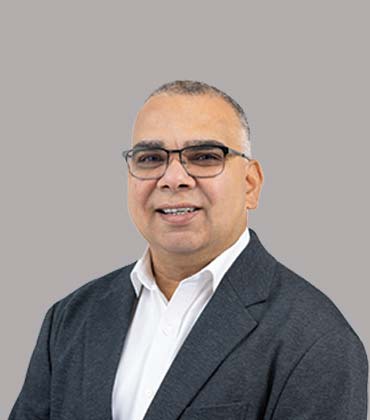 Duncan Vincent, Founder An Australian construction industry professional approached Duncan Vincent, Founder of Business Coaching 3030, about his next career move. Concerned about the construction industry’s future, he considered becoming a supplier as he was familiar with the industry. Vincent encouraged him to look beyond familiarity and identify the business he genuinely wanted to build. The answer was a mobile coffee business. With Vincent’s guidance, he purchased a coffee truck and began operating within months.
Third, its profit driver analysis (PDA) examines unnecessary expenditure, customer and supplier relationships, revenue opportunities and potential margin improvements. Market research helps identify where stronger customer relationships could drive sales and where supplier relationships may offer savings. The analysis turns these findings into actionable recommendations, with five- to ten-year forecasts helping owners assess the potential longer-term effects of their decisions.
Company :
Management
Duncan Vincent, Founder
![]()
Duncan Vincent, Founder Rather than steer him toward another construction-related opportunity, Vincent made personal ambition the starting point for business ownership.
“My focus is on passion, dreams, freedom and enjoying the work, which helps business owners overcome the challenges they face,” says Vincent.
Many owners approach Business Coaching 3030 looking for more leads or higher sales. Vincent begins by revisiting why they started the business, then examines whether revenue is the real constraint. The discovery process reviews marketing and sales capabilities, team-building skills, gross and net profitability, and readiness for a future business transfer.
Building Profitable, Owner-Led Businesses
Business owners often become employees of the businesses they create. Daily responsibilities leave little room for decisions about growth, financial performance and the company's future. Vincent encourages owners to move from performing routine work toward developing the people, systems and plans that allow the business to operate with less dependence on them.
Business Coaching 3030’s work centers on three core objectives. First, it prepares aspiring and emerging owners for the realities of entrepreneurship, particularly the challenges of the first 12 months. Drawing on his experience, Vincent helps them understand the responsibilities involved before committing to a business.
Second, Vincent’s proprietary Five Steps to Freedom framework helps owners understand how businesses develop from creation and the challenges of early growth toward greater control, prosperity and eventual freedom. The five stages— Creation, Chaos, Control, Prosperity and Freedom—are used in progression to help owners recognize where their businesses stand and what needs attention before they can reduce their involvement in daily operations.
-
My focus is on passion, dreams, freedom and enjoying the work, which helps business owners overcome the challenges they face.
Third, its profit driver analysis (PDA) examines unnecessary expenditure, customer and supplier relationships, revenue opportunities and potential margin improvements. Market research helps identify where stronger customer relationships could drive sales and where supplier relationships may offer savings. The analysis turns these findings into actionable recommendations, with five- to ten-year forecasts helping owners assess the potential longer-term effects of their decisions.
Business Coaching 3030 also uses a profit driver calculator to demonstrate how small adjustments across several financial variables can improve profitability.
Consider a business with $100,000 in sales, $80,000 in cost of sales and $10,000 in overheads, using a 30 percent tax rate, a 10 percent investment rate and three percent inflation. Under the model's assumptions, a five percent increase in sales, combined with five percent reductions in selected costs and tax payable, increases annual after-tax profit from approximately $7,000 to $13,943. Considering these changes together helps owners see why improving profitability requires attention to more than revenue growth alone.
Helping Owners Build for the Future
Business Coaching 3030 encourages owners to prioritize networking, profitability, team development, succession planning and exit preparation rather than remaining consumed by daily operations. These priorities reflect Vincent's broader view of ownership. Building a business requires serving customers and developing the people, financial foundations and plans needed for its future.
Vincent also encourages business owners to accept change, keep pace with emerging technologies and adopt useful applications of AI. Leveraging his experience as a business owner, he helps clients navigate the responsibilities and uncertainties of entrepreneurship. Business Coaching 3030’s recognition as the Top Sales and Marketing Coaching Service in APAC 2026 reflects an approach that connects sales and profitability with the wider purpose of business ownership. By helping owners identify financial constraints and focus on longer-term priorities, Vincent aims to build businesses that support both their commercial goals and the freedom that motivated them to start.
Sales Coaching Must Address Profit Beyond Revenue
Rising sales figures can conceal a business that generates little additional profit. Customer acquisition costs may increase alongside revenue, while supplier expenses absorb much of the income from new orders. Owners facing this situation often look for sales coaching to generate more leads without examining what happens after those leads convert. Choosing a coaching provider requires understanding whether its methods address the financial consequences of sales growth rather than concentrating exclusively on the number of transactions.
Marketing performance provides the starting point. A campaign attracting more inquiries may still underperform if those prospects fall outside the business's most profitable customer segments. Coaching should examine existing customers and purchasing patterns to identify where additional sales effort is financially justified. Supplier relationships also influence the economics of growth. Increased order volumes may create opportunities to renegotiate purchasing costs, although greater sales activity can equally increase pressure on working capital. Providers should demonstrate how their recommendations account for these relationships before advising additional marketing expenditure.
“Business Coaching 3030 uses its Profit Driver Analysis to examine how changes in sales revenue and business expenses could affect profitability.”
Profitability analysis makes the distinction between revenue growth and business improvement measurable. Gross margins can deteriorate when discounts are used to accelerate sales, while fixed overheads may remain unnecessarily high. A coach capable of interpreting financial statements can identify where relatively small adjustments might have meaningful effects on net earnings. Scenario modeling allows owners to examine how changes in sales or expenditure would influence profitability before committing resources. Forecasts should make their assumptions explicit, particularly when extending beyond the immediate planning period.
Implementation presents a different difficulty for owner-managed businesses. The person responsible for winning customers may also handle routine administration, leaving limited time to implement new sales processes. Coaching that relies entirely on the owner's continued involvement risks increasing that workload. Delegation and clearly assigned responsibilities become relevant when a company needs consistent customer engagement without requiring the owner to oversee every activity. Executives should establish whether a program develops management judgment alongside sales capability.
A coaching engagement also depends on the owner's willingness to examine assumptions about the business. Immediate requests for greater revenue can obscure concerns about financial security or the possibility of eventually selling the company. Structured discovery helps identify these priorities and determine which improvement would have the greatest immediate effect. Recommendations developed without that context may produce activity without advancing the owner's intended direction.
Commercial accountability should extend beyond motivational sessions or general business advice. Defined actions and periodic reviews give owners a basis for measuring changes in profitability. A provider should be able to distinguish improvements attributable to better sales performance from those resulting from expenditure reductions. Both affect the financial return on coaching.
Business Coaching 3030 combines sales and marketing coaching with structured discovery and financial analysis to help owners identify what is limiting business performance. Its Profit Driver Analysis examines revenue improvement alongside opportunities to reduce unnecessary expenditure, using financial scenarios to estimate potential changes in earnings. Business Coaching 3030 uses its Profit Driver Analysis to examine how changes in sales revenue and business expenses could affect profitability.
Its Five Steps to Freedom coaching also addresses the owner's dependence on daily business activities, encouraging greater attention to management responsibilities and longer-term priorities. Established small business owners experiencing rising sales without corresponding profit growth, particularly those wanting to reduce their personal workload, are the intended clients for this approach.
...Read more
Sales and Marketing Coaching Services in APAC Info
Q1
What Do Sales and Marketing Coaching Services in APAC Help Businesses Achieve?
Sales and Marketing Coaching Services in APAC help business owners understand how marketing activity, customer relationships and sales processes contribute to commercial performance. The work can extend beyond generating leads to examining conversion, revenue quality and profit margins. Effective coaching also considers the owner's wider goals, since growth may mean improving financial returns, building a capable team or creating a business that does not depend on the owner for every decision.
Q2
How Does Business Coaching 3030 Link Sales Growth With Profitability?
Sales and Marketing Coaching Services in APAC can help owners assess whether higher revenue is producing better financial results. Business Coaching 3030 begins by reviewing marketing and sales capabilities alongside team-building skills, gross and net profitability, and readiness for a future business transfer. Founder Duncan Vincent also uses Profit Driver Analysis to examine unnecessary spending, customer and supplier relationships, revenue opportunities and possible margin improvements, connecting sales decisions with the wider financial picture.
Q3
Which Areas Should Sales Coaching Examine Beyond Lead Generation?
Sales and Marketing Coaching Services in APAC should look at the full path from customer interest to profitable business. More inquiries do not always lead to stronger returns if acquisition costs rise, discounts reduce margins or new orders increase pressure on working capital. Reviewing customer purchasing patterns, supplier costs and the resources needed to serve additional demand can help owners decide where sales efforts are worthwhile and where changes are needed.
Q4
How Can Coaching Help Owners Build a Business That Runs More Independently?
Sales and Marketing Coaching Services in APAC can address the operational pressures that often accompany business growth. Owners may spend so much time handling daily tasks that planning, delegation and team development receive little attention. Coaching can help clarify responsibilities, strengthen management practices and prepare people to make routine decisions. This shift gives owners more time to focus on profitability, future opportunities and the long-term direction of the business.
Q5
What Should Owners Look for When Choosing a Coaching Approach?
Sales and Marketing Coaching Services in APAC should connect practical recommendations with the business's actual priorities. Owners can assess whether a coaching process examines financial performance, customer and supplier relationships, team capability and future plans rather than focusing only on motivation or lead generation. Clear actions, realistic forecasts and regular reviews also help show whether the work is improving profitability, reducing unnecessary costs or creating more room for strategic decisions.
Q6
How Does Business Coaching 3030 Support Owners at Different Stages?
Sales and Marketing Coaching Services in APAC can support businesses at different points in their development, but the priorities should reflect each owner's circumstances. Business Coaching 3030 works with aspiring, emerging and established owners. Its Five Steps to Freedom framework moves through Creation, Chaos, Control, Prosperity and Freedom, helping owners identify their current stage and what needs attention. Its profit driver calculator and five- to ten-year forecasts also help assess how changes may affect longer-term profitability.
Company :
Business Coaching 3030
ManagementDuncan Vincent, Founder
Description
Business Coaching 3030 coaches aspiring, emerging and established business owners. Its services prepare new entrepreneurs for the realities of ownership, help established owners gain freedom from daily operations, and use profit driver analysis to identify ways to improve overall profitability.
