Adaptive Leadership in a Global Legal Landscape
I agree We use cookies on this website to enhance your user experience. By clicking any link on this page you are giving your consent for us to set cookies. More info


Thank you for Subscribing to Business Management Review Weekly Brief
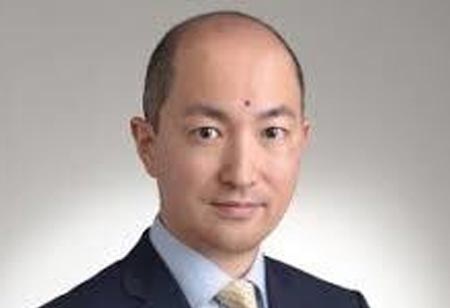
Hiroaki Inuyama brings a wealth of expertise in contract negotiation, project management, M&A, joint ventures, dispute resolution and compliance. With a hands-on approach, he plays a pivotal role in negotiating complex gas sales contracts across industries such as electronics and semiconductors and leads projects involving hydrogen and other molecules.
Through this article, Hiroaki Inuyama shares his insights on the importance of leading a geographically dispersed legal team, navigating complex legal challenges and adapting to evolving responsibilities in a multinational environment. He emphasizes the need for hands-on involvement in high-stakes matters and the significance of staying engaged with the business to provide effective legal counsel.
As the Chief Legal Officer, Asia Pacific at Air Liquide, my role encompasses leading a dynamic legal function in the region, overseeing a team of more than 25 lawyers strategically located across multiple countries in APAC. The geographical dispersion of our legal team is a direct reflection of our business model, which involves the production and supply of industrial gas and advanced materials within each country we operate. My primary focus is on steering this diverse team towards a unified direction aligned with the company's strategic plan for 2025, known as "ADVANCE," where the company aims to keep growing while reducing CO2 emissions. While I trust my team to manage legal matters in each country, I dedicate more time to high-stake dispute resolutions, cross-border transactions, and joint ventures, where I review documents and negotiate agreements as lead counsel. Additionally, I provide legal counsel to executives and colleagues in areas such as ethics, compliance, export control and corporate governance.
The true value of a lawyer lies in their ability to step out of the office, engage with the business firsthand and continuously adapt to new challenges.
In my experience, working with two multinational corporations for more than 25 years, the legal department plays a crucial role in decision-making. In-house lawyers are deeply involved in the business from the beginning to the end—for example, in an M&A, from NDAs to definitive agreements, plus post-merger integration. We can propose multiple alternatives before the CEO (or in some cases, the board) makes a decision because we understand our business, customers and suppliers. Furthermore, the legal department of a multi-national company is well-positioned to manage various global risks to the company with the collective and effective legal advice of teams deployed across many countries. For example, during the spread of COVID-19, we analyzed how force majeure could apply in each relevant country, and in times of economic tensions involving multiple geographies, we assessed them from the viewpoint of each relevant jurisdiction.
CLOs and GCs in the past could set clearer boundaries about their scope among other C-level officers. However, in recent years, it has become more challenging. For example, when a CLO aims to create an effective internal system to comply with human rights-related laws, such as the German Supply Chain Act and French Duty of Vigilance Law, we need knowledge in other areas, including procurement and Health, Safety and Environment (HSE), coordinating with the Chief Procurement Officer. If a cybersecurity incident occurs, the CLO should be quickly involved in responding to it together with the teams in charge of IT, digital and communications. I believe that this trend will persist, requiring CLOs to be more flexible and adaptive, like an ameba, to tackle new challenges. Although in some jurisdictions, CLOs may want to be more strict about their role as legal counsel when providing advice to protect attorney-client privilege.
Looking back at my own path, I've learned a lot from people surrounding me who are diverse in generations and geographies. I believe that living and working in a country different from where we were born will make us understand the diversity of cultures and people's mindsets, improving our leadership skills as senior lawyers in a multinational environment. We are in an era where knowledge of some legal areas could easily become obsolete, and any information is available at our fingertips with our smartphones plus generative AIs (but sometimes with hallucinations). Ironically, it is more essential to look with our own eyes and think for ourselves. If we are lawyers in the manufacturing industry, we should visit our plants and listen to professionals on how our products are manufactured. If our company provides services, lawyers could accompany sales representatives in client visits or online meetings to understand how our services are delivered to customers. There is always something new to learn when we step out of our office or meet our stakeholders physically and virtually.
BIO:
Hiro is a lawyer with over 25 years of experience, having served as Chief Legal Officer / General Counsel managing diversified teams in Asia and United States. His practice covers projects (energy and power), M&As, dispute resolution (international arbitration and litigation), and compliance / corporate governance.
He has worked on many projects and transactions in Asia, Europe, Middle East and North and South Americas which include hydrogen projects, power generation projects (renewables including solar, wind, hydro, geothermal and conventional gas and coal-fired), energy projects (upstream oil & gas and LNG projects and trading), mining (copper, coal, iron ore and other minerals), infrastructure, finance, chemicals, automotive, semiconductors, food & beverages, and apparel & textile.

However, if you would like to share the information in this article, you may use the link below: