
Thank you for Subscribing to Business Management Review Weekly Brief


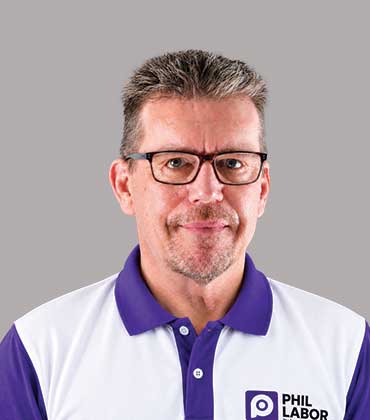 Jeff Collinson, Founder and CEO
This is where Phil Labor has built its approach.
The company works with businesses to create offshore teams that operate as an extension of their existing workforce rather than as a separate function. By combining workforce management, employment support, and technology, Phil Labor helps organizations build remote teams while maintaining control over their operations.
Its model connects Australian businesses with Filipino professionals while managing the employment structure, compliance requirements, and ongoing support needed to make remote partnerships successful.
Solving The Visibility Challenge Through Ascendia
One of the biggest concerns businesses face with offshore teams is understanding what is happening after work moves outside their physical offices. Phil Labor identified this challenge through conversations with clients and developed Ascendia, a remote workforce management system designed specifically for businesses managing remote, offshore, and distributed teams.
Unlike traditional project management tools, Ascendia was created around the needs of businesses managing offshore employees. The platform allows clients to see team availability, assign and manage tasks, monitor activity and progress, review individual and team reports, and communicate directly with both employees and Phil Labor’s management team.
For Jeff Collinson, Founder and CEO of Phil Labor, the technology represents a different way of approaching outsourcing. “The innovation is connecting the client, Phil Labor, and their offshore team into one fully interconnected workforce management process,” he says.
The system gives businesses a clearer picture of how their offshore teams are being utilized. Managers can identify workloads, redistribute tasks, and understand where additional support may be required.
Taking Responsibility For The Workforce
Phil Labor believes outsourcing success depends heavily on how employees are supported. The company does not view its role as simply introducing businesses to offshore talent. Instead, it manages the employment framework that allows professionals to become long-term contributors.
-
The innovation is connecting the client, Phil Labor, and their offshore team into one fully interconnected workforce management process.
Through its structure, Phil Labor supports recruitment, employment administration, payroll, compliance, and employee well-being. This approach gives businesses a dedicated partner to manage the complexities behind their offshore workforce.
Employee retention is another important part of the company’s philosophy. Phil Labor provides professionals with competitive pay, statutory government benefits, leave entitlements, employee support, and opportunities for career growth. According to Jeff, this investment helps create stronger relationships between employees and the businesses they support.
Over time, some professionals have moved beyond their initial roles and taken on greater responsibilities within client organizations. One example shared by Jeff involved an accountant who progressed from a junior position into a leadership role within a client’s finance department.
Flexibility For Changing Business Needs
The future of outsourcing is becoming less about fixed staffing models and more about flexibility. Phil Labor supports businesses with different engagement requirements, including project-based work, part-time support, and full-time team members.
As AI and automation continue to change how companies operate, businesses may increasingly require specialized support for specific tasks and projects. Phil Labor’s technology platform helps clients organize this evolving workforce model by setting priorities, managing tasks, and creating clearer workflows.
Creating Sustainable Offshore Partnerships
Phil Labor’s focus remains on building structured partnerships between businesses and offshore professionals. The company believes offshore support should add capacity and strengthen teams rather than simply reduce costs.
Recognized for its technology-led approach and workforce management model, Phil Labor has been named Most Innovative Business Process Outsourcing Services in Asia 2026.
By bringing together people, process, and technology, Phil Labor continues to develop a model of outsourcing built around transparency, accountability, and long-term collaboration. For businesses looking to expand their capabilities while maintaining a connection with their teams, the company offers a structured path to managing remote work successfully.
How to Outsource Work Without Losing Control
Moving work to an outside team can lower staffing pressure while creating a management problem inside the business. Distance makes informal supervision less useful, and a low hourly rate means little when managers cannot see workload or redirect capacity quickly. Executives comparing business process outsourcing providers should examine how work is assigned, how activity becomes visible and how much control remains with the client after placement.
Visibility needs to extend beyond attendance. Knowing that a remote employee is online does not tell a manager whether priorities are current or whether available hours are being used well. Useful oversight connects assigned work with timelines and progress, then gives managers a practical way to change direction. Reporting should also make workload patterns legible over days or longer periods. That distinction affects staffing decisions. A team carrying unused capacity may be able to absorb additional work, while sustained overload may justify another hire.
Buyers should also examine escalation paths before signing. Routine visibility loses usefulness if workload concerns or employee issues cannot move quickly between the client and provider management. Clear intervention routes preserve accountability without forcing internal managers to chase updates across separate communication channels or recreate oversight outside the provider's system.
Employment structure can create a different source of risk. Offshore staffing may look simple at the recruiting stage, yet the provider's responsibilities after placement determine how much administrative burden actually leaves the client. Buyers should establish who employs the worker locally and who handles required benefits, leave arrangements, pay administration and other employment obligations. The arrangement should also make the boundary of responsibility clear. Clients need authority over day-to-day work without having to recreate the local employment function themselves.
“Clients can assign tasks, change priorities and review activity reports while seeing staff availability and workload.”
Retention deserves attention because outsourced roles often accumulate business knowledge. Frequent replacement can force managers to repeat training and rebuild context that had already been learned. Pay practices and employee benefits therefore belong in provider evaluation, but buyers also need to understand what happens after a worker settles into the role. Regular compensation reviews and access to relevant training can support longer tenure. Career development can matter when an outsourced employee gradually takes on broader responsibility rather than remaining fixed at the original task level. Buyers should ask how development decisions are documented and coordinated with the client.
Contract shape should reflect the work rather than force every requirement into a permanent full-time seat. Some functions justify continuing support, while projects or fluctuating workloads may call for part-time or short-duration staffing. This becomes more relevant as automation shortens certain assignments and changes where human effort is needed. A provider that can accommodate different work patterns gives management room to add capacity without carrying it longer than the work requires.
Phil Labor uses Ascendia, its proprietary remote workforce management system, to connect clients with outsourced staff and Phil Labor management. Clients can assign tasks, change priorities and review activity reports while seeing staff availability and workload. The system also includes communication and career-development functions. Phil Labor employs personnel under Philippine requirements, manages employee benefits and supports annual pay reviews while clients direct the work. Its staffing structure can accommodate ongoing roles or shorter project-based requirements. Executives that want offshore capacity without surrendering day-to-day workload visibility have a concrete reason to evaluate Phil Labor, particularly when flexible staffing and managed local employment are central requirements.
...Read more
Business Process Outsourcing Services in Asia Info
Q1
What Are Business Process Outsourcing Services In Asia?
Business Process Outsourcing Services In Asia cover external support for business functions such as staffing, administration, workforce coordination and related operational tasks. Effective models are not limited to placing personnel. They also establish how work is assigned, monitored, communicated and supported. For offshore teams, this can include local employment administration, payroll, compliance, employee support and systems that give clients visibility into day-to-day work.
Q2
How Does Phil Labor Deliver Business Process Outsourcing Services In Asia?
Phil Labor builds offshore teams that operate as an extension of a client’s existing workforce. Its model connects Australian businesses with Filipino professionals while managing employment administration, compliance and ongoing workforce support. Phil Labor also supports recruitment, payroll, statutory benefits, leave arrangements and employee well-being. This structure allows clients to direct daily work while the provider handles key employment responsibilities.
Q3
How Can These Outsourcing Services Improve Visibility Over Offshore Work?
Visibility depends on more than knowing whether employees are available. These outsourcing services can provide stronger oversight when task assignment, workload, activity, progress and communication are connected. A useful operating model allows managers to identify unused capacity, respond to sustained workloads and change priorities without creating separate tracking systems. Reporting also helps clarify whether staffing levels continue to match the work being performed.
Q4
What Role Does Technology Play In Business Process Outsourcing Services In Asia?
Technology can connect the people and processes involved in distributed work. These services increasingly benefit from workforce platforms that support task management, availability tracking, activity reporting and communication. Phil Labor uses Ascendia for this purpose. The platform lets clients assign tasks, change priorities, review reports and see staff availability and workload while maintaining communication with Phil Labor’s management team.
Q5
What Should Businesses Evaluate When Choosing Business Process Outsourcing Services In Asia?
Evaluation should extend beyond staffing costs. Business Process Outsourcing Services In Asia should be assessed on employment responsibilities, workforce visibility, escalation routes, reporting, flexibility and employee retention. Buyers should understand who employs offshore personnel, who manages benefits and pay administration, and how clients retain control over daily priorities. The provider’s ability to support full-time, part-time or project-based requirements can also matter when workloads change.
Q6
How Do Business Process Outsourcing Services In Asia Support Flexible Workforce Models?
Business Process Outsourcing Services in Asia are able to help companies modify their capacity in response to changes in work. Phil Labor advocates project-based, part-time and full-time arrangements instead of insisting that all requirements match a permanent staffing scheme. Their approach also takes into account the possibility that automation could alter the kind of human support needed or the length of time for which it is needed. Through the combination of flexible engagement options and workforce management technology, the model provides organisations with greater flexibility when it comes to adjusting their staffing levels while at the same time keeping operational visibility.
Company :
Phil Labor
ManagementJeff Collinson, Founder and CEO
Description
Phil Labor helps businesses build and manage offshore teams through a combination of skilled talent, structured employment support, and workforce technology. With its Ascendia platform, the company delivers greater visibility, flexibility, and control for modern distributed teams.